
Meet Our
Board
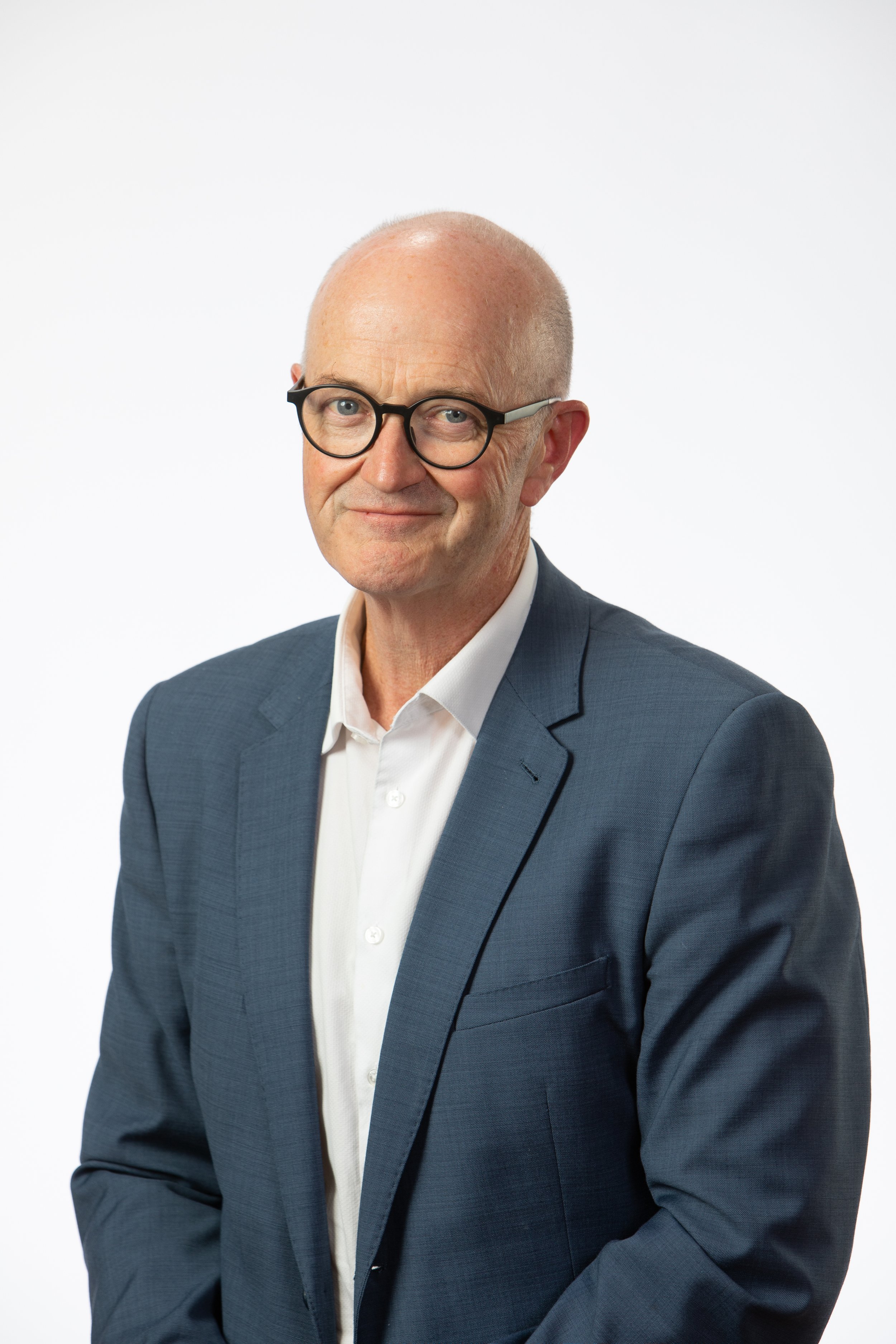
Greg Box
Bass Coast Representative
Greg Box serves as the Chair of the Nature Recovery Foundation, reflecting his deep commitment to environmental sustainability. In his role as the CEO of Bass Coast Shire Council, Greg was active in establishing the Nature Recovery Foundation. He holds multiple board positions with several tourism and education organisations, including Destination Gippsland, Destination Phillip Island and the Bass Coast Country Universities Centre.
With over two decades of extensive experience in Local Government, Greg is a highly respected leader known for his forward-thinking vision and passionate advocacy for the role of local governments. Greg’s expertise in developing impactful outcomes and leading award-winning engagement programs has significantly benefited local communities, garnering both national and international recognition.
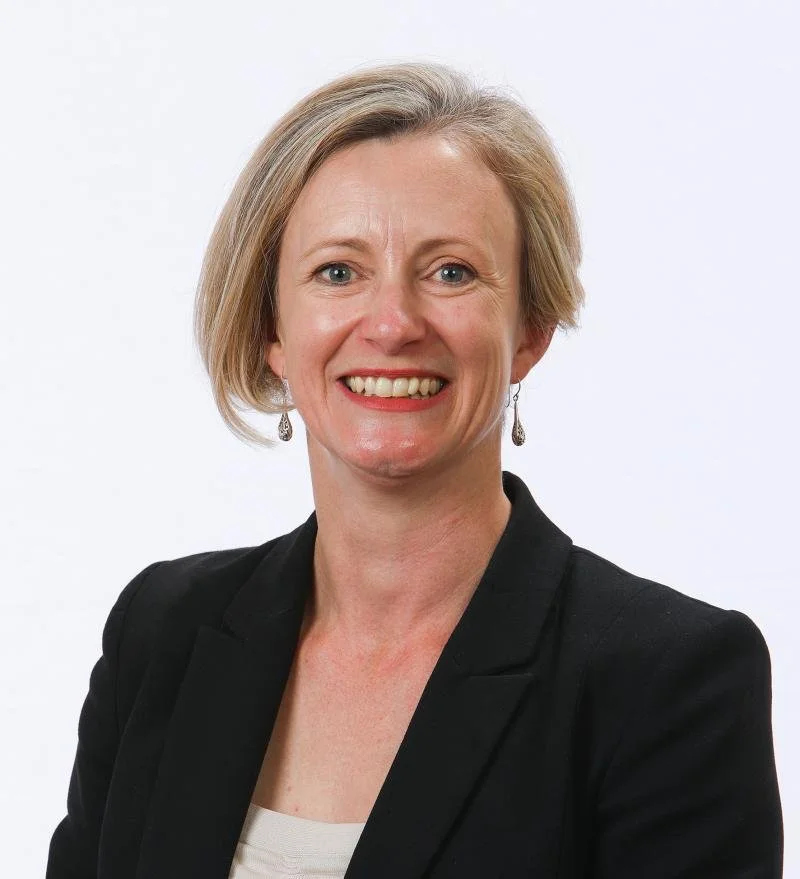
Jodi Kennedy
Bass Coast Representative
Jodi is a strategic, community-focused leader with more than two decades of senior experience across local and state government and the private sector. Jodi has been involved in a number of Boards and is currently the President of the Victorian Planning & Environmental Law Association (VPELA). She builds confident, high-performing teams, works authentically with stakeholders, and is committed to service and strategy excellence.
As General Manager Community and Culture at Bass Coast Shire Council, Jodi played a key role in establishing the Nature Recovery Foundation. Jodi holds a BA in Urban Studies, and a Master of Public Policy and Management. She is widely respected for her professionalism, accountability, strong networks, and dedication to genuine community engagement.
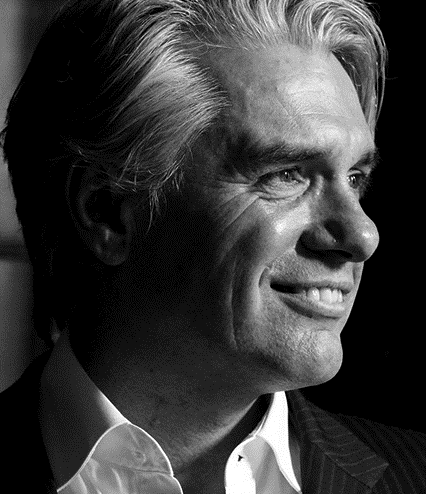
Christopher Balmford
BioDiversity Legacy Representative
Christopher is a sea kayaker and a former lawyer at the international law firm Baker and McKenzie. He leads 2 Australian plain-language businesses, a consultancy Words and Beyond and an online learning provider In-Game Learning. He founded the legal document provider Cleardocs.com, which Thomson Reuters acquired in 2011. He was the inaugural convenor of the ISO working group that developed Part 1 of ISO’s plain language standard, published in 2023.
Christopher has served on the boards of not-for-profits with an environmental focus including, the Yarra Riverkeeper Association Inc. (as President), Birrarung Valley Walk Inc., and Wollangarra Outdoor Education Inc. (as Chair).
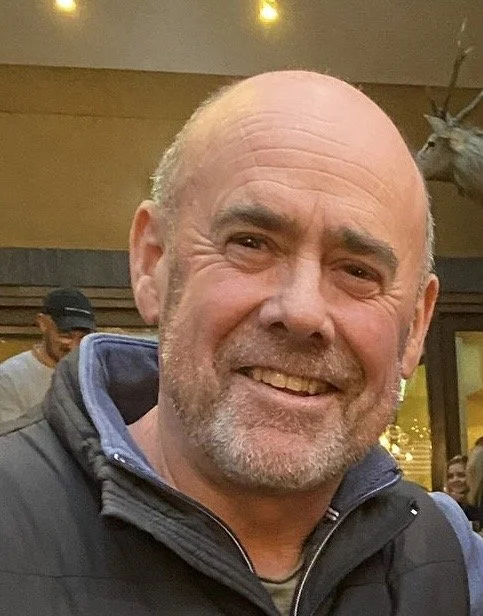
Tim Rowe
BioDiversity Legacy Representative
Tim’s lifelong connection to nature began in childhood, shaped by early experiences in his cousin’s Bendigo biodiverse garden and family trips to Wilsons Promontory—traditions he now shares with his own family.
Across roles in Manningham, Yarra Ranges and Wellington Shires, Tim established a respected leadership profile in horticulture, natural resource management and sustainability. He led high-impact creek revegetation and park rehabilitation programs, strengthening ecosystem health and community connection to nature.
As Manager Natural Environment & Parks at Wellington Shire, Tim drove strategic direction, guided policy development and built collaborative teams that delivered enduring environmental improvements.
At BioDiversity Legacy, he continues to lead by fostering strong partnerships and championing biodiversity conservation and land stewardship to secure healthier landscapes for future generations.
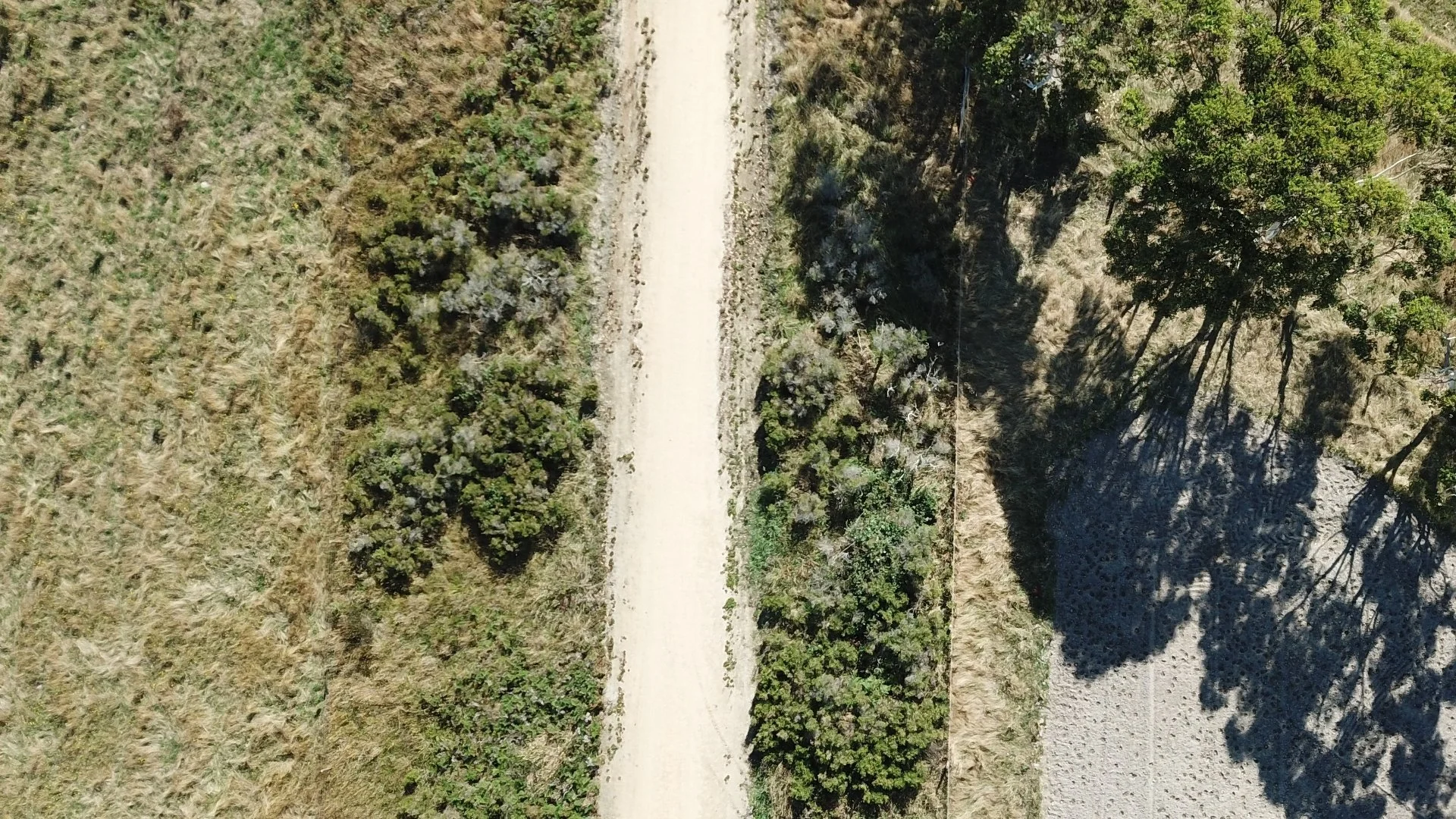
We need to help nature recover.
For its sake
and for ours.
Challenge
Only 15% of native vegetation remains in Bass Coast, which is half the minimum 30% that a United Nation’s report says is required for healthy ecosystems.
With the majority of land in private hands, government cannot deliver this outcome by itself. Much of the native vegetation we do have is fragmented or degraded. This puts our iconic animals at risk. And climate change is increasing the pressure on the animals and on our ecosystems. So restoring landscape to give Bass Coast 30% native vegetation is crucial for the region. Working towards that goal will also address interconnected global environmental challenges such as:
1. Biodiversity Loss
Currently, species extinction rates are accelerating due to habitat loss. For example, at present, native vegetation in the Powlett River / Kugerungmome catchment accounts for only 3.2% of the area. Much of this is highly fragmented and in moderate to poor condition.
Restoring ecosystems provides safe habitats for plants and animals, reducing extinction risk and maintaining genetic diversity.
2. Climate Impacts
Healthy ecosystems like forests, wetlands, and grasslands act as carbon sinks. The ecosystems in Bass Coast sequester 2,000tCO2e per hectare, per year. So, each hectare restored to bushland provides a carbon sink for the pollution from 400 cars. If we can lift the native vegetation cover in Bass Coast from 15% to 30%, then we would remove further thousands of tons of CO₂ each year. This would help to meet local, and global, climate targets.