
Our purpose and role
To reverse biodiversity decline, by preserving and enhancing existing habitat and by accelerating the restoration of habitat across public and private land in and around Bass Coast.
The foundation has the power to own land; and appoint other entities as stewards to manage the land.
Foundation Structure
In 2024 Bass Coast Shire Council and Biodiversity Legacy partnered to establish the Nature Recovery Foundation—a not-for-profit organisation dedicated to reversing biodiversity loss and driving habitat restoration across the region.

Bass Coast Shire Council (BCSC) is a Regional Local Government that has been servicing the community and environment for decades. BCSC is on the forefront of environmental restoration and conservation.
Bass Coast is naturally beautiful and together we build resilience by protecting and enhancing our natural environment. After decades partnering with community groups and rural landholders to restore biolinks, BCSC embarked on this initiative to accelerate and expand our nature recovery efforts.
BioDiversity Legacy (BDL) Limited is an independent not-for-profit organisation founded in 2022 to support an alternative pathway for protecting habitat for plants, animals and people.
BDL’s key function is to facilitate the transfer of land title into a safe ownership structure and provide governance to support this process. BDL’s strength lies in their ability to walk together with others, to facilitate connectivity and build capacity for collaborative biodiversity outcomes for generations to come.
Our Vision
The natural environment of Bass Coast is secure and constantly improving.
Our Mission
To engage landowners, donors, and volunteers to bring 30% of Bass Coast land into the community’s active environmental care.
Objectives
We focus on landscape scale restoration through five strategic objectives:
Protect priority areas of remnant biodiversity

Secure and restore landscapes with high biodiversity potential
Establish viable habitat refuges, connected through biolinks
Create an intergenerational legacy for future communities

Leverage partnerships, donations, and green investment markets
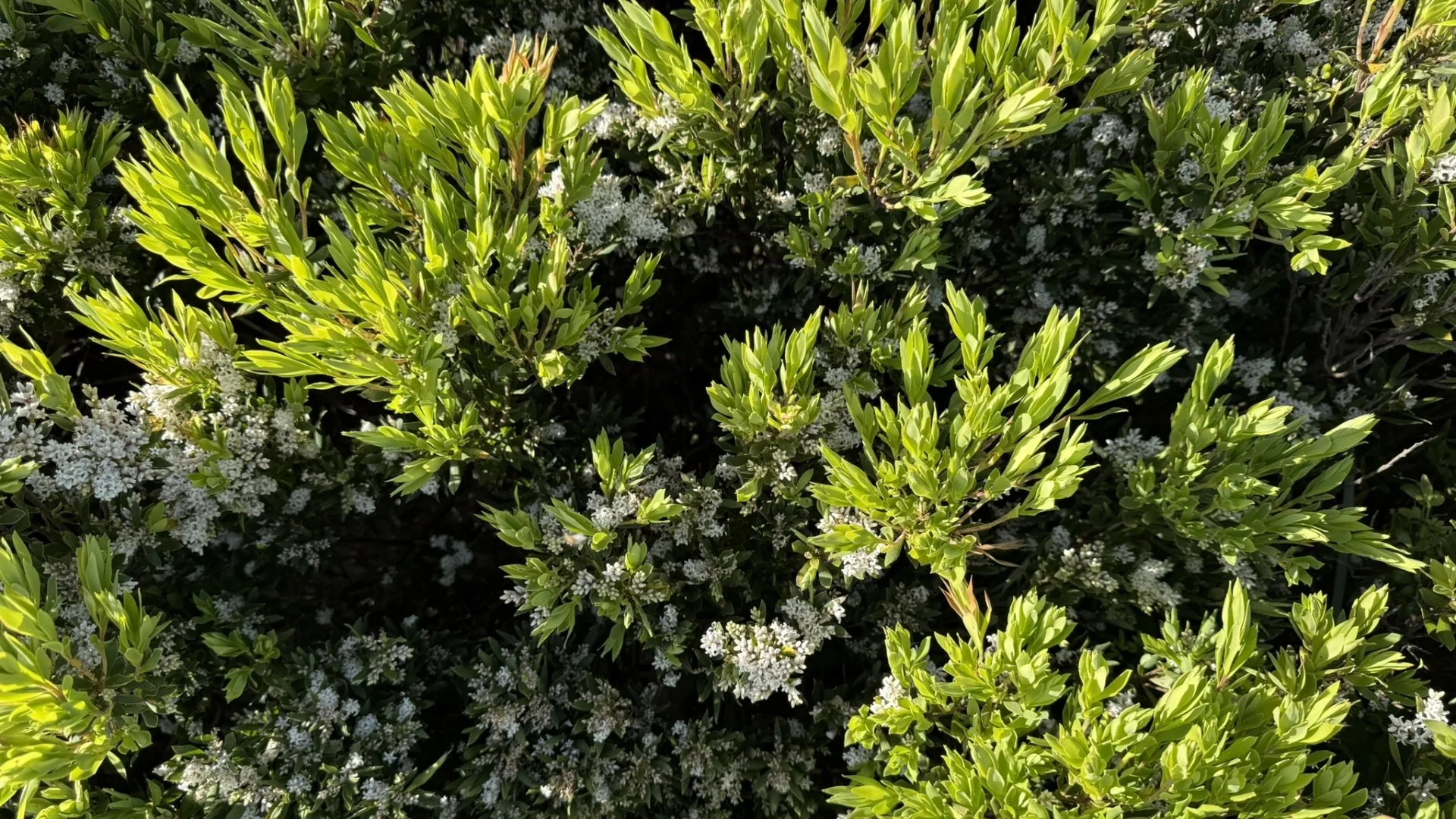
Mechanisms for Action
We will achieve our purpose by:
Owning land in perpetuity for conservation.
Securing habitat and connecting biodiversity corridors.
Appointing stewards to manage and restore habitat.
Ensuring expert care and community connection.
Protecting and restoring biodiversity hotspots across landscapes.
Creating connected sanctuaries for wildlife.
Key Themes
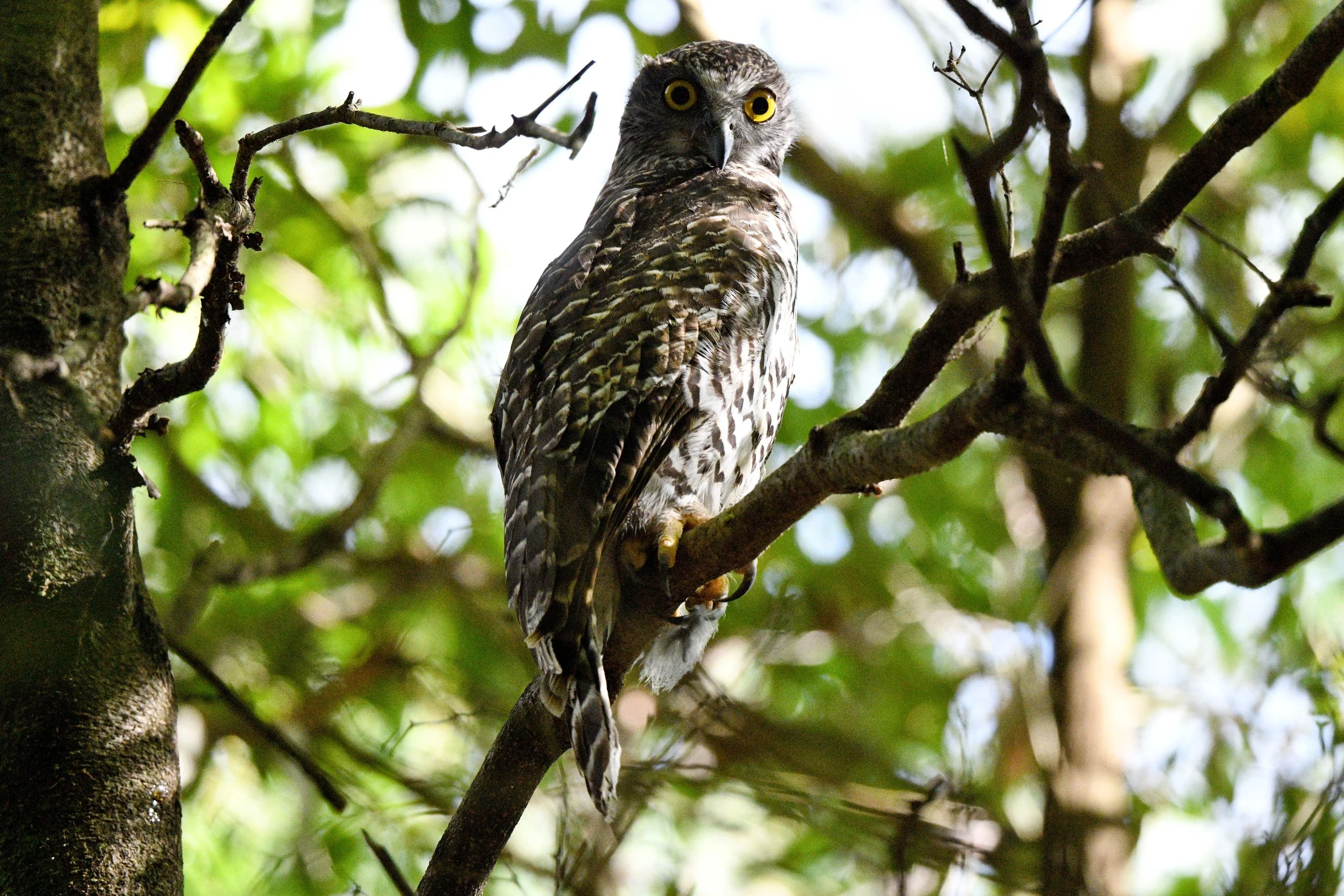
Protecting Western Port Woodlands
The Western Port Woodlands is a string of reserves with significant remnant native vegetation, providing habitat for threatened species, including the Tea-Tree Fingers, Thick-lip Spider-orchid, Southern Brown Bandicoot, Giant Gippsland Earthworm, Swift Parrot, Lace Monitor and Powerful Owls. A key priority is establishing linkages between reserves and areas of protection and revegetation to enhance habitat connectivity.
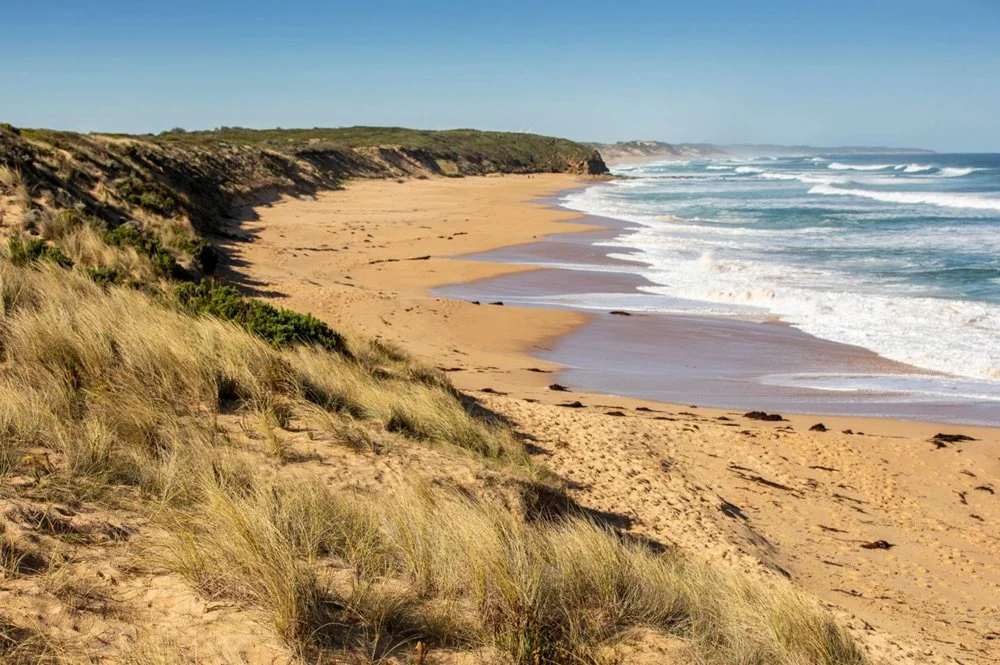
Restoring Coastal Ecosystems
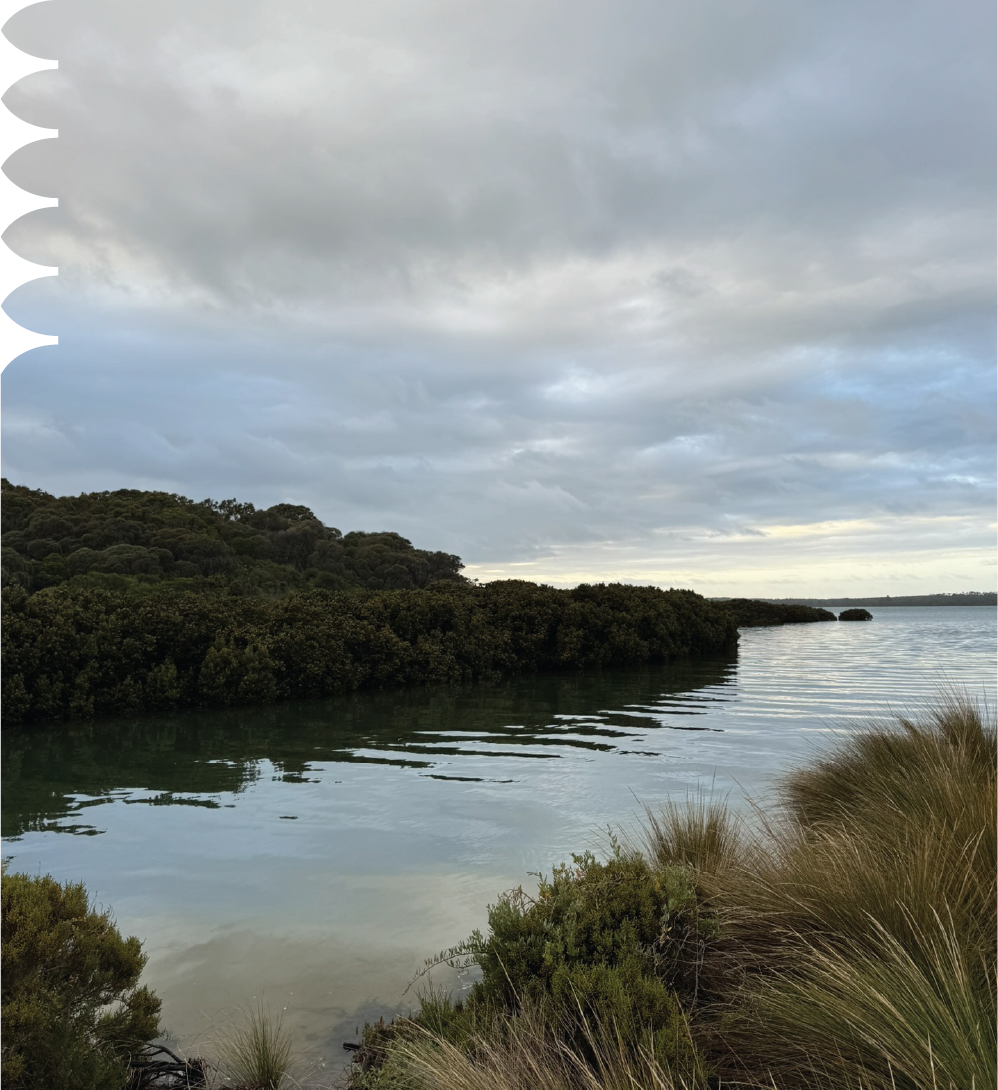
Coastal ecosystems protect shorelines, store carbon, and provide vital habitat for wildlife. But decades of clearing and development have left them degraded.
We can restore mangroves, saltmarshes, and dunes to bring life back to our coasts, to strengthen resilience to climate change, and to safeguard these precious places for future generations.
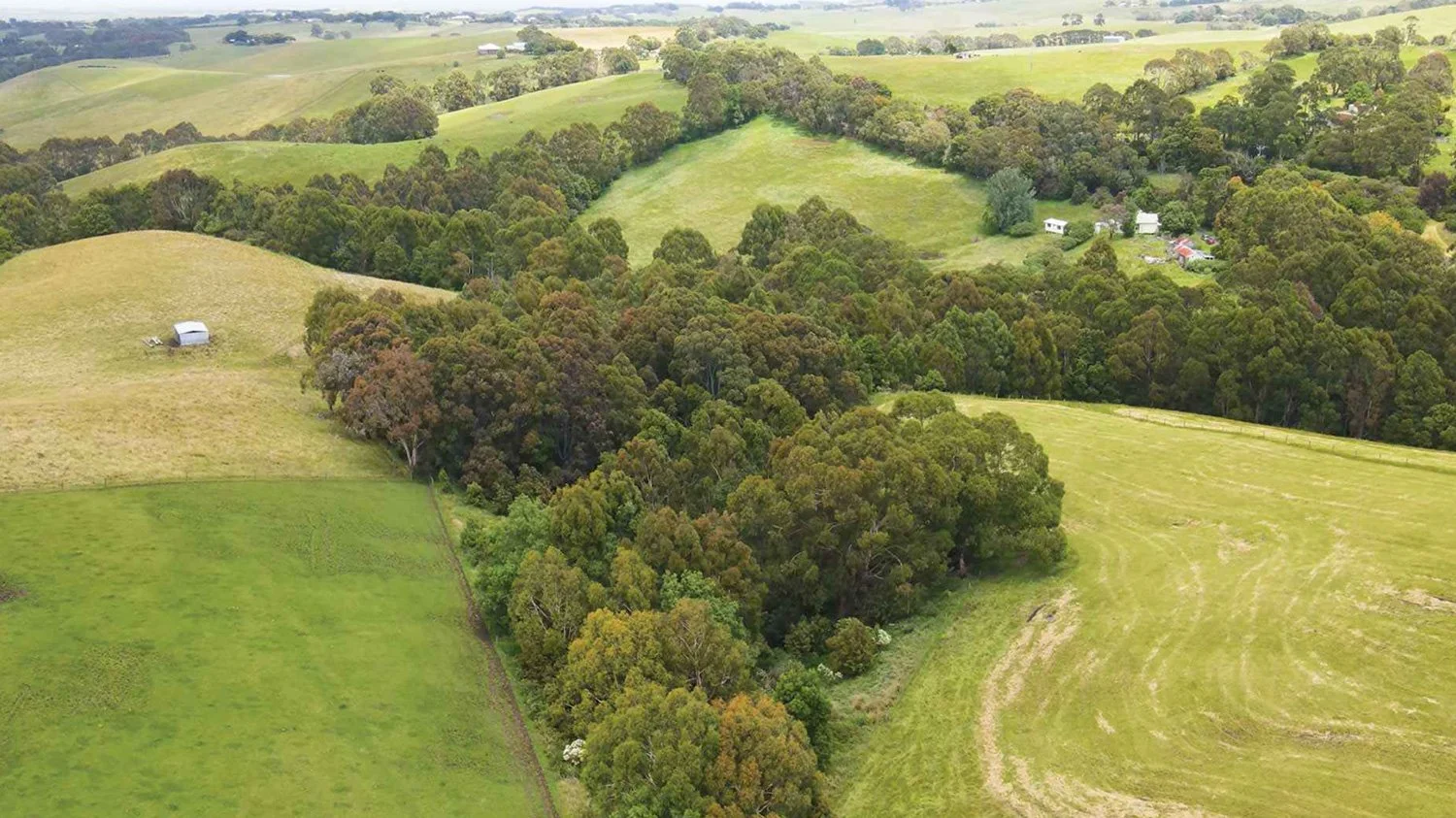
Growing biolinks across Bass Coast
Since colonisation, around 85% of Bass Coast’s native vegetation has been cleared. Now is the time to restore what’s been lost—by planting trees, shrubs, and grasses that create thriving habitats, support biodiversity, and strengthen our landscapes against climate change. Protecting what remains is just as vital, safeguarding soil, water, and wildlife while helping regulate our climate. Bringing nature back is key to healing our environment, protecting species, and preparing for a changing future.