
Case Studies
Summerlands
From Housing Estate to Sanctuary
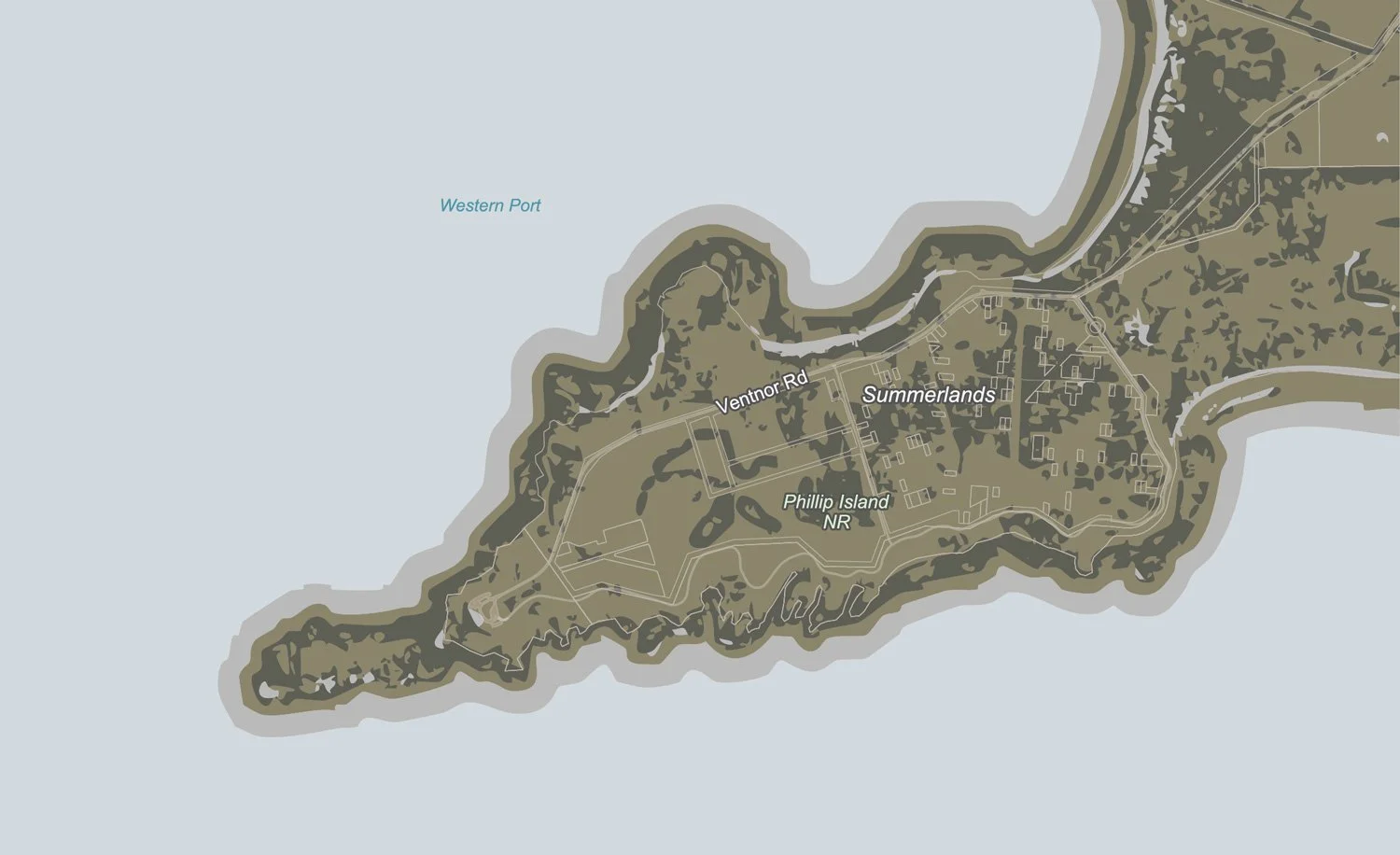
In the 1980s, Phillip Island's little penguins were on the brink of local extinction. A housing development on their breeding grounds, Summerland Estate brought cars, pets, and foxes, decimating their numbers. In 1985, the Victorian Government began buying back every property in Summerland Estate to return the land to the penguins. Over 25 years, homes were removed, foxes were eradicated, and habitat was restored, backed by a strong research-led conservation program. Today, the colony has rebounded from just a few burrows to over 40,000 breeding penguins – the largest little penguin colony in the world.
This remarkable transformation shows what’s possible when people act for nature. But there’s more to do. With your help, we can protect and restore precious habitats, safeguard wildlife, and inspire future generations.
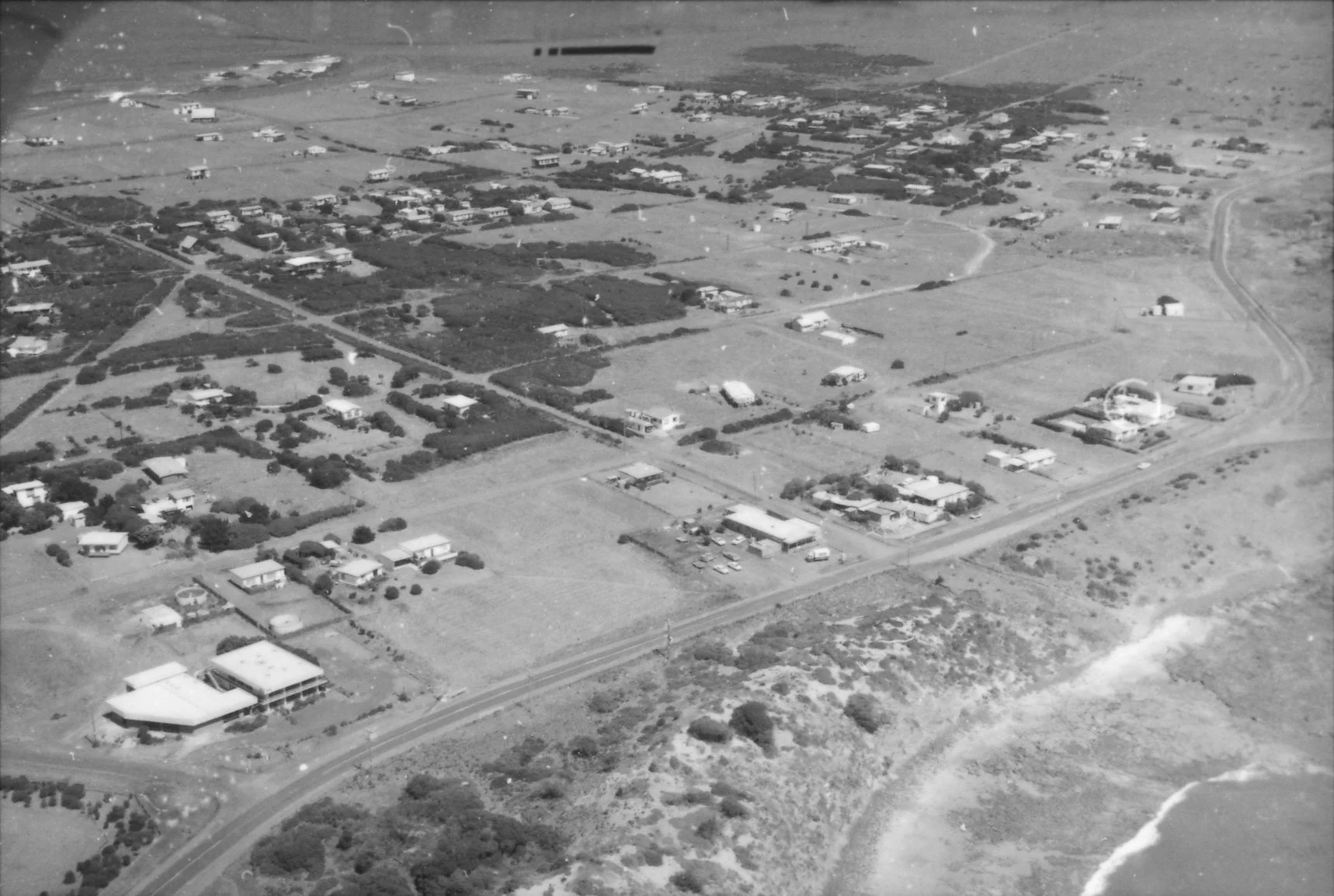
Summerlands before
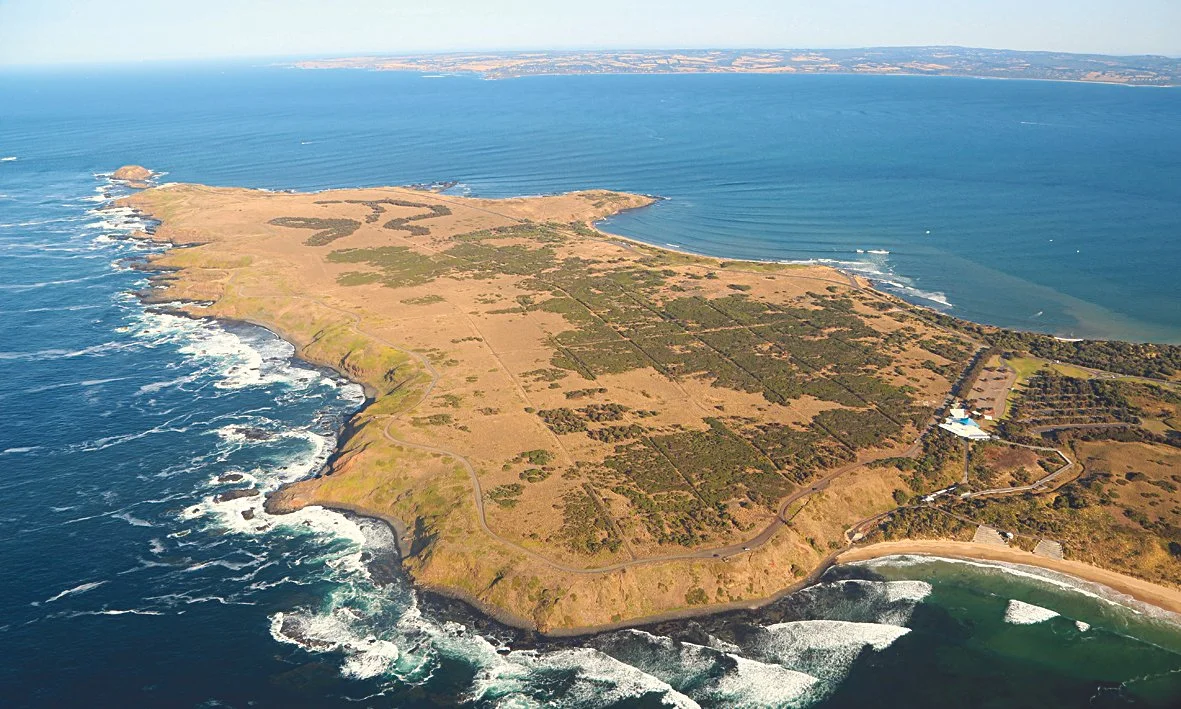
Summerlands after
Scenic Estate
From Wasteland
to Wildlife Haven
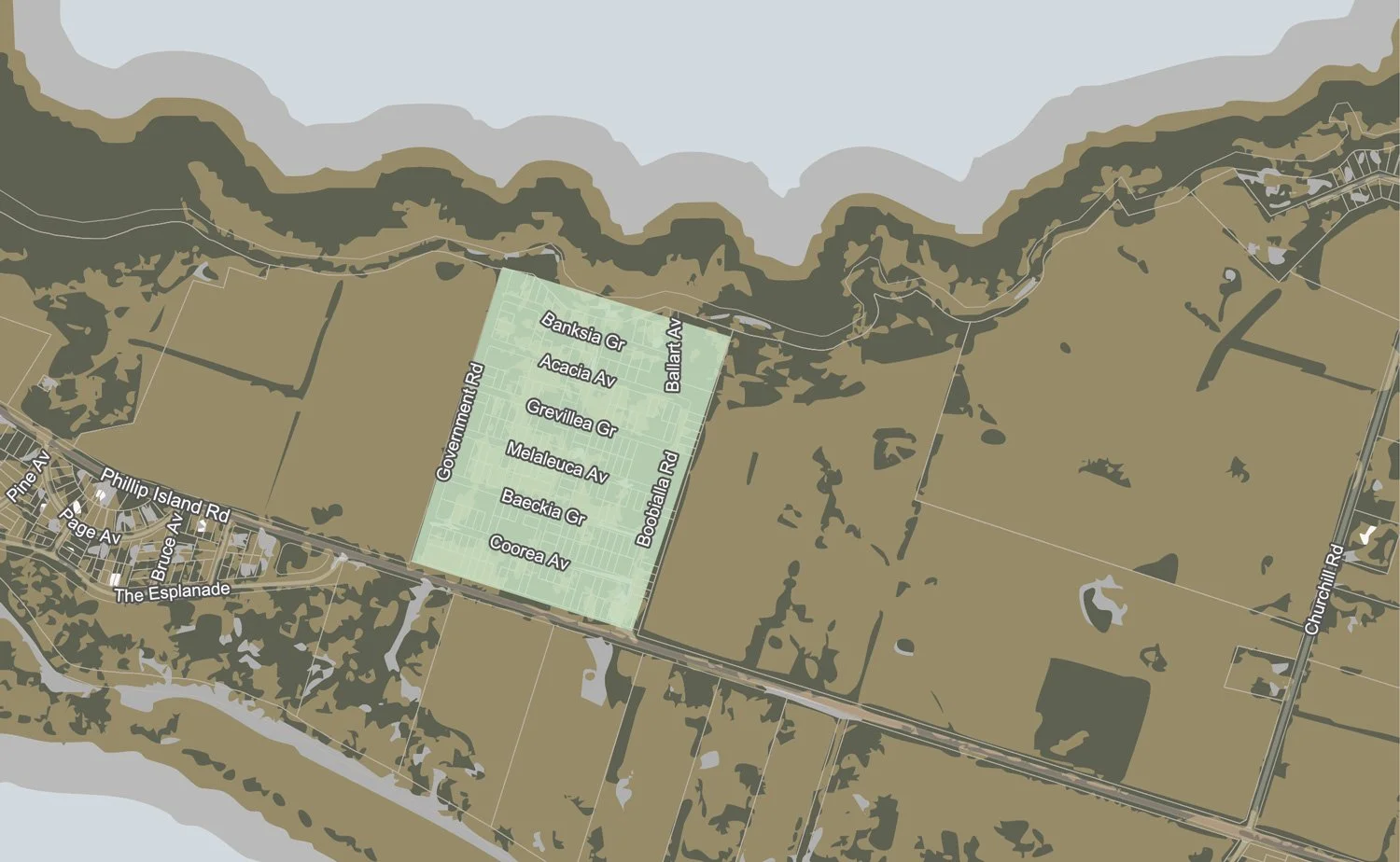
Scenic Estate Conservation Reserve, Surf Beach, Phillip Island is proof of what’s possible. A thriving dairy farm in the 1950s became a failed subdivision in the 1960s. Then, for decades, the 28-hectare site was plagued by illegal dumping, and damage from off-road vehicles. It was written off as a lost cause.
In 2012, everything changed. Bass Coast Shire Council, partnering with Phillip Island Nature Parks, Parks Victoria, and the State Government, restored the site and declared it a conservation reserve. Walking tracks, boardwalks, wetlands, and picnic areas were created to heal the land and reconnect people with nature.
By 2016, Scenic Estate Reserve was reborn – its biodiversity values restored becoming a haven for wildlife and a much-loved community asset.
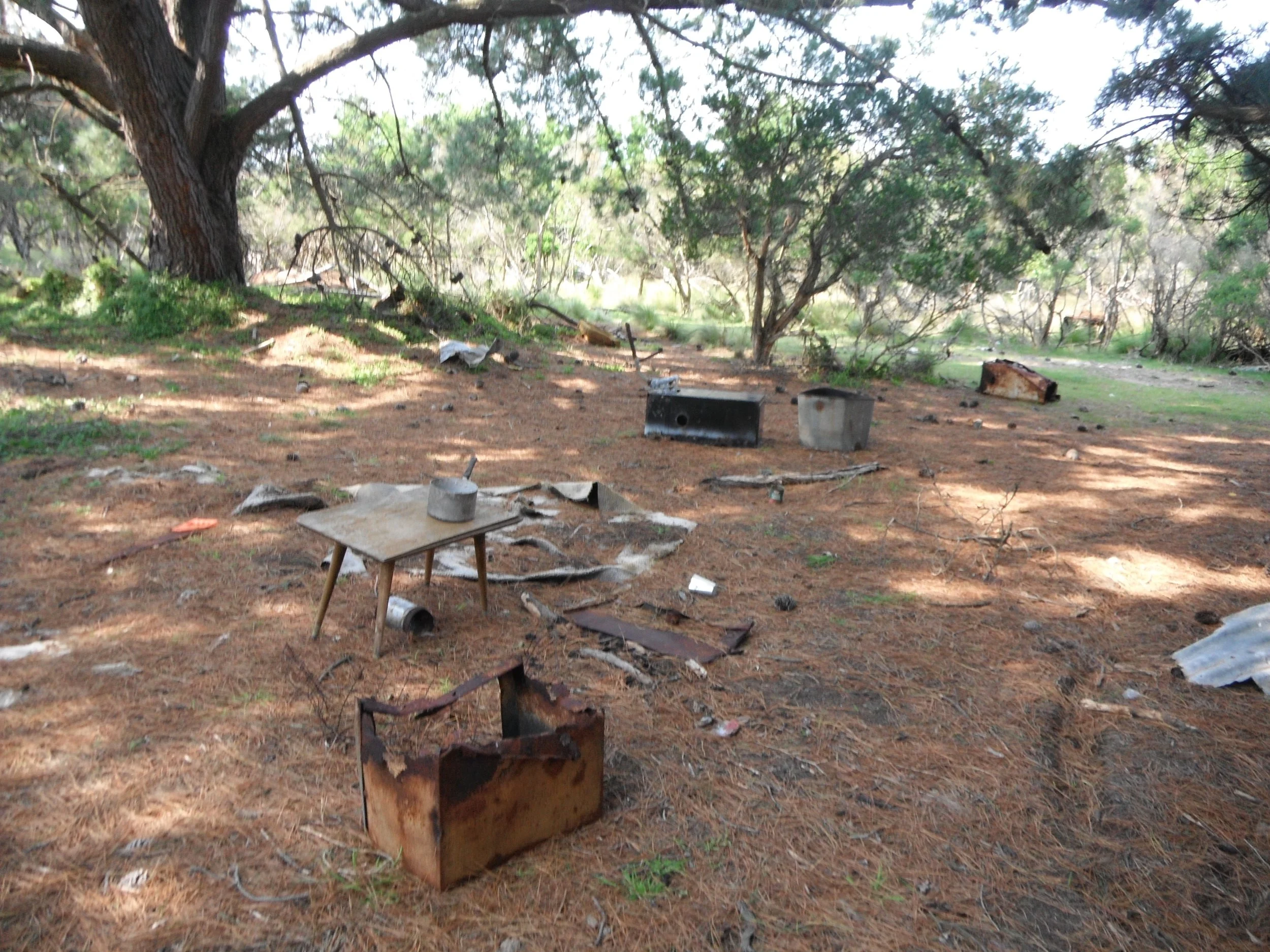
Scenic Estate before
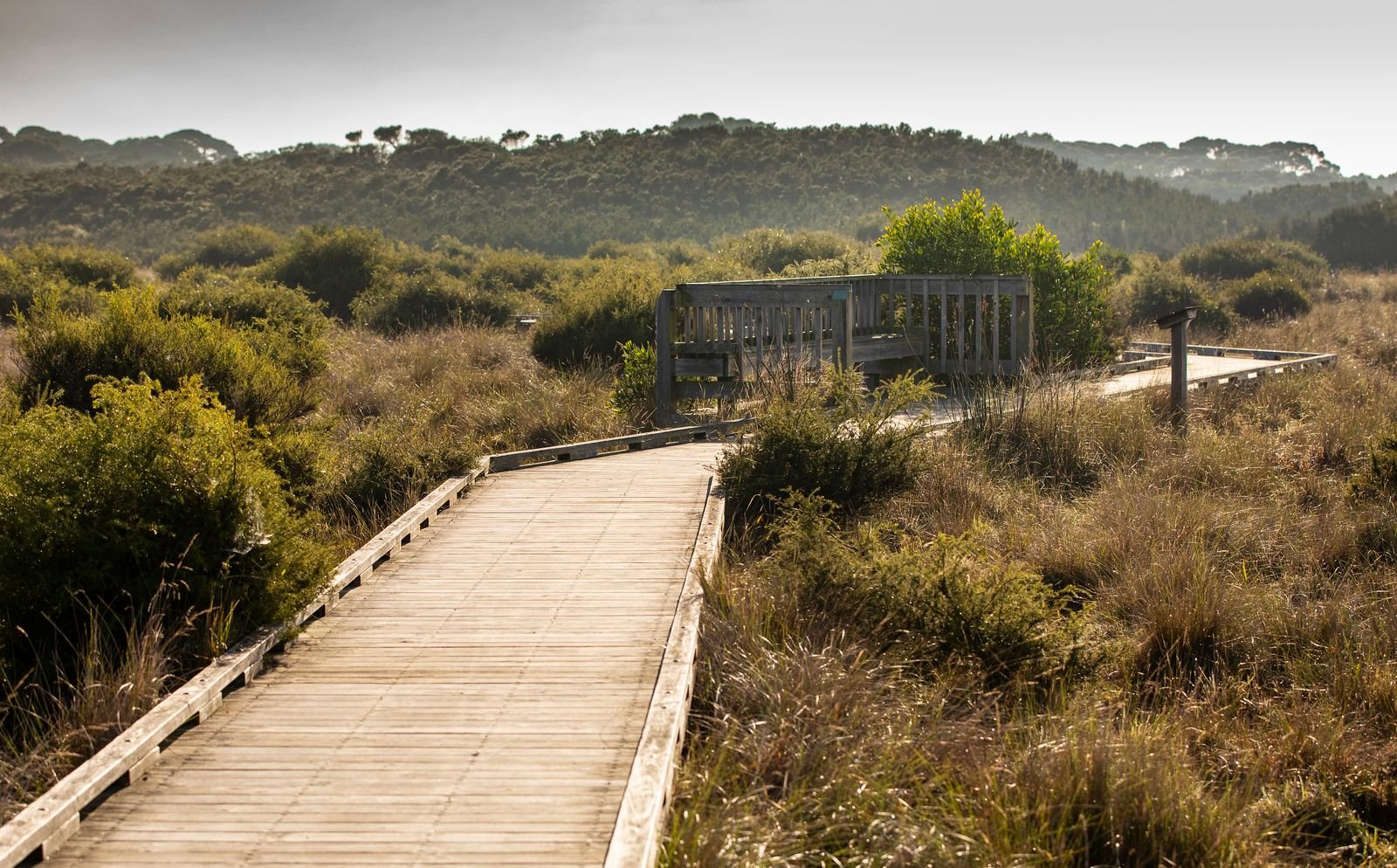
Scenic Estate after